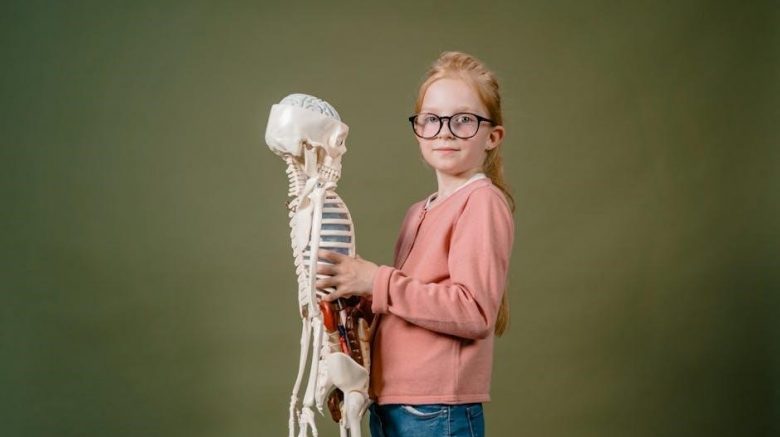
Human anatomy & physiology lab manuals are crucial resources‚ offering detailed guides for practical learning‚ like those by Marieb and Burns‚ aiding students and educators alike.
Purpose of a Lab Manual
A human anatomy & physiology lab manual serves as a cornerstone for experiential learning‚ bridging theoretical knowledge with practical application. These manuals‚ such as those authored by Elaine Marieb and Patrick Burns‚ aren’t simply collections of exercises; they are meticulously designed guides.
They provide essential instructions for dissecting‚ observing‚ and analyzing anatomical structures‚ fostering a deeper understanding of physiological processes. The manuals detail step-by-step procedures‚ ensuring students can confidently navigate complex experiments.
Furthermore‚ they often include review questions and data recording sections‚ promoting critical thinking and scientific rigor. Access to resources like those offered through Nursing Times subscriptions complements lab work‚ providing clinical context and expert analysis.
Target Audience: Students & Educators
Human anatomy & physiology lab manuals primarily cater to students enrolled in related courses‚ from introductory biology to advanced healthcare programs. These resources‚ exemplified by works from Marieb and Smith‚ are designed to support hands-on learning and skill development.
However‚ the audience extends significantly to educators. Instructors utilize these manuals to structure laboratory sessions‚ assess student comprehension‚ and ensure consistent‚ standardized learning experiences;
The detailed content and clear instructions facilitate effective teaching‚ even with large class sizes. Furthermore‚ access to supplementary materials‚ like peer-reviewed articles from Nursing Times‚ benefits both students and educators‚ fostering a dynamic and informed learning environment.
Key Features of Effective Lab Manuals
Effective human anatomy & physiology lab manuals‚ such as those by Marieb and Burns‚ prioritize clear‚ concise instructions for experiments and dissections. Detailed illustrations and labeled diagrams are essential for accurate identification of structures.
Comprehensive coverage of essential concepts‚ coupled with review questions‚ reinforces learning. Accessibility is key; manuals should cater to diverse learning styles‚ potentially including fetal pig versions for practical application.
Modern manuals increasingly integrate digital resources‚ like online review materials and AI-powered tools (as seen with Nursing Times)‚ enhancing the learning experience. User-friendly design and a logical flow of information are also crucial for optimal usability.
The Skeletal System
Human anatomy & physiology lab manuals guide students through bone identification‚ axial and appendicular skeleton studies‚ and joint analysis for comprehensive understanding.
Bone Identification & Classification
Human anatomy & physiology lab manuals are indispensable for mastering bone identification and classification. These manuals typically present detailed illustrations and descriptions‚ enabling students to differentiate between various bone shapes – long‚ short‚ flat‚ irregular‚ and sesamoid.
Practical exercises within these manuals often involve identifying specific bones within skeletal models or diagrams‚ focusing on key landmarks and features.
Furthermore‚ students learn to classify bones based on their structure and function‚ understanding the relationship between bone morphology and its role in the skeletal system.
Effective lab manuals provide clear guidance on distinguishing between different types of bone tissue‚ like compact and spongy bone‚ enhancing the overall learning experience.
Axial Skeleton: Skull‚ Vertebral Column‚ Rib Cage
Human anatomy & physiology lab manuals dedicate significant attention to the axial skeleton‚ providing detailed explorations of the skull‚ vertebral column‚ and rib cage. These manuals guide students through identifying the cranial and facial bones‚ understanding their sutures‚ and recognizing foramina for nerve passage.
The vertebral column section emphasizes identifying vertebrae – cervical‚ thoracic‚ lumbar‚ sacral‚ and coccygeal – and understanding their unique characteristics.
Rib cage studies involve differentiating between true‚ false‚ and floating ribs‚ and recognizing their articulation points.
Lab exercises often include assembling skeletal models and labeling diagrams‚ solidifying comprehension of axial skeleton anatomy.
Appendicular Skeleton: Limbs & Girdles
Human anatomy & physiology lab manuals thoroughly cover the appendicular skeleton‚ focusing on the limbs and their associated girdles. Students utilize these manuals to identify bones of the pectoral girdle – clavicle and scapula – and understand their articulation with the humerus.
Detailed exercises guide identification of the bones within the upper and lower limbs: humerus‚ radius‚ ulna‚ carpals‚ metacarpals‚ phalanges‚ femur‚ tibia‚ fibula‚ tarsals‚ metatarsals‚ and phalanges.
Lab activities often involve comparing and contrasting bone structures and understanding their functional relationships.
Manuals emphasize recognizing landmarks for muscle attachment and understanding the skeletal support for movement.
Joints: Types & Movements
Human anatomy & physiology lab manuals dedicate significant attention to joints‚ classifying them structurally and functionally. Students learn to differentiate between fibrous‚ cartilaginous‚ and synovial joints through detailed diagrams and practical exercises.
Labs focus on identifying the components of synovial joints – articular cartilage‚ joint capsule‚ synovial membrane‚ and ligaments – and understanding their roles in joint stability and movement;
Manuals guide students through analyzing various joint movements like flexion‚ extension‚ abduction‚ adduction‚ rotation‚ and circumduction.
Practical activities often involve palpating joints and observing range of motion‚ reinforcing theoretical knowledge with hands-on experience.
The Muscular System
Human anatomy & physiology lab manuals explore muscle tissues‚ anatomy‚ and contraction‚ providing exercises to identify muscle groups and understand their physiological functions.
Muscle Tissue Types: Skeletal‚ Smooth‚ Cardiac
Human anatomy & physiology lab manuals dedicate significant sections to differentiating the three primary muscle tissue types. Skeletal muscle‚ responsible for voluntary movements‚ is extensively studied through microscopic examination and identification of its striated appearance.
Labs often involve comparing smooth muscle‚ found in internal organs‚ noting its lack of striations and role in involuntary functions like digestion.
Cardiac muscle‚ unique to the heart‚ is analyzed for its branching fibers and intercalated discs‚ crucial for coordinated contractions. Manuals guide students through histological slides‚ emphasizing structural differences and correlating them with functional roles. Practical exercises reinforce understanding of each tissue’s microscopic characteristics and physiological contributions to the body.
Skeletal Muscle Anatomy & Physiology
Human anatomy & physiology lab manuals thoroughly explore skeletal muscle structure‚ beginning with gross anatomy – identifying origins‚ insertions‚ and actions of major muscle groups. Dissections‚ or virtual equivalents‚ are common‚ allowing students to visualize muscle attachments and lever systems.
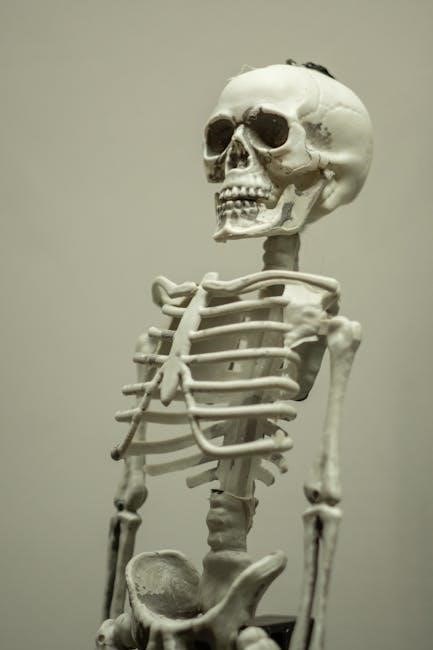
Microscopic anatomy is covered with detailed illustrations of muscle fibers‚ fascicles‚ and connective tissue layers.
Labs focus on understanding the relationship between muscle anatomy and physiological function‚ including nerve innervation and the role of sarcomeres in contraction. Manuals often include exercises to assess muscle strength and range of motion‚ bridging anatomical knowledge with practical application and reinforcing concepts.
Muscle Contraction Mechanisms
Human anatomy & physiology lab manuals dedicate significant attention to the intricate processes of muscle contraction. Labs often utilize models or simulations to demonstrate the sliding filament theory‚ detailing the roles of actin‚ myosin‚ and calcium ions.
Experiments may involve measuring muscle twitch characteristics‚ exploring the effects of stimulus frequency on contraction strength‚ and analyzing the energy requirements of muscle activity.
Manuals frequently include exercises to differentiate between isotonic and isometric contractions‚ and to understand the neuromuscular junction’s role in initiating contraction. These practical explorations solidify understanding of the physiological basis of movement.
Common Muscle Groups & Actions
Human anatomy & physiology lab manuals guide students in identifying and understanding the actions of major muscle groups. Dissections‚ or detailed anatomical charts‚ are commonly used to locate muscles like the biceps brachii‚ quadriceps femoris‚ and gastrocnemius.
Labs often involve exercises where students determine the origin‚ insertion‚ and primary actions (flexion‚ extension‚ abduction‚ adduction) of specific muscles.
Manuals may present case studies requiring students to predict muscle involvement in various movements or to diagnose muscle imbalances. Practical application reinforces knowledge of how muscles work together to produce coordinated motion.

The Nervous System
Human anatomy & physiology lab manuals facilitate learning brain structures‚ spinal cord pathways‚ and nerve function through diagrams and practical exercises for students.
Brain Anatomy: Lobes & Structures
Human anatomy & physiology lab manuals provide essential visual and practical guidance for understanding the complex brain. These manuals typically feature detailed diagrams illustrating the four major lobes – frontal‚ parietal‚ temporal‚ and occipital – and their specific functions.
Students utilize these resources to identify key structures like the cerebrum‚ cerebellum‚ and brainstem. Lab exercises often involve models or preserved specimens‚ allowing for hands-on exploration of gyri‚ sulci‚ and deeper structures.
Furthermore‚ manuals aid in comprehending the roles of specific areas within each lobe‚ such as Broca’s and Wernicke’s areas in the frontal and temporal lobes‚ respectively. This detailed approach fosters a strong foundation in neuroanatomy.
Spinal Cord & Peripheral Nerves
Human anatomy & physiology lab manuals dedicate significant attention to the spinal cord and peripheral nervous system‚ crucial for understanding neurological function. These manuals typically include detailed illustrations of the spinal cord’s cross-section‚ highlighting gray and white matter‚ dorsal and ventral horns‚ and the central canal.
Lab exercises often involve identifying spinal nerves and their branching patterns. Students learn to trace the pathways of sensory and motor information. Manuals also cover the structure and classification of peripheral nerves‚ including cranial and spinal nerves.
Understanding nerve plexuses – brachial‚ lumbar‚ and sacral – is emphasized‚ alongside their innervation territories. This practical approach solidifies comprehension of the nervous system’s organization.
Neurotransmitters & Synaptic Transmission
Human anatomy & physiology lab manuals delve into the intricacies of neurotransmitters and synaptic transmission‚ fundamental to nervous system function. These resources typically detail major neurotransmitters – acetylcholine‚ dopamine‚ serotonin‚ and norepinephrine – outlining their synthesis‚ release‚ and receptor interactions.
Lab activities often involve exploring the stages of synaptic transmission: action potential arrival‚ neurotransmitter release‚ receptor binding‚ and signal termination. Manuals may include exercises on classifying neurotransmitters by chemical structure and function.
Understanding the impact of various drugs on synaptic transmission is frequently covered‚ illustrating how they can enhance or inhibit neuronal signaling. This practical focus reinforces the concepts of neuropharmacology.
Reflex Arcs & Sensory Perception
Human anatomy & physiology lab manuals provide comprehensive coverage of reflex arcs and sensory perception‚ vital components of nervous system functionality. These manuals typically detail the five-step reflex arc – receptor‚ sensory neuron‚ integration center‚ motor neuron‚ and effector – often through diagrammatic representations.
Lab exercises commonly involve testing reflexes like the patellar or pupillary reflexes‚ allowing students to observe and analyze these involuntary responses. Manuals explain how different sensory receptors detect stimuli‚ including mechanoreceptors‚ thermoreceptors‚ and nociceptors.
Students learn to differentiate between various types of sensory perception – touch‚ temperature‚ pain – and how these sensations are processed by the brain.
Cardiovascular System
Human anatomy & physiology lab manuals detail heart dissection‚ blood vessel identification‚ and blood analysis‚ enabling practical understanding of circulatory functions and components.
Heart Anatomy & Blood Flow
Human anatomy & physiology lab manuals provide comprehensive exercises focused on dissecting and identifying the intricate structures of the heart;
Students learn to differentiate chambers – atria and ventricles – and valves‚ tracing the precise pathway of blood flow.
These manuals often include diagrams and activities to illustrate pulmonary and systemic circulation‚ detailing how oxygenated and deoxygenated blood move through the heart and vessels.
Practical exercises may involve modeling blood flow‚ identifying coronary arteries‚ and understanding the conduction system responsible for coordinating heart contractions.
Understanding these concepts is vital‚ and lab manuals offer the hands-on experience needed to solidify theoretical knowledge.
Blood Vessels: Arteries‚ Veins‚ Capillaries
Human anatomy & physiology lab manuals dedicate significant attention to the circulatory network‚ guiding students through the identification and functional differences between arteries‚ veins‚ and capillaries.
Labs often involve microscopic examination of vessel tissues to observe structural variations – thicker walls in arteries versus thinner walls with valves in veins.
Students learn to trace blood flow through these vessels‚ understanding how arteries carry blood away from the heart‚ while veins return it to the heart.
Capillaries‚ the sites of exchange‚ are also explored‚ emphasizing their thin walls and role in nutrient and waste transfer.
Practical exercises reinforce understanding of vessel structure and their crucial roles in maintaining homeostasis.
Blood Composition & Functions
Human anatomy & physiology lab manuals thoroughly cover blood’s complex composition – plasma‚ red blood cells‚ white blood cells‚ and platelets – and their individual functions.
Labs typically involve hematocrit determination‚ measuring red blood cell volume‚ and blood typing exercises to understand antigen-antibody interactions.
Microscopic analysis of blood smears allows students to identify different leukocyte types and appreciate their roles in immunity.
Manuals detail the functions of each component: oxygen transport by erythrocytes‚ immune defense by leukocytes‚ and clotting by thrombocytes.
Understanding blood’s role in homeostasis‚ including temperature regulation and pH balance‚ is a key learning objective reinforced through practical activities.
Blood Pressure & Pulse Measurement
Human anatomy & physiology lab manuals dedicate significant sections to mastering blood pressure and pulse measurement techniques‚ essential clinical skills.
Students learn to utilize sphygmomanometers – both manual and digital – to accurately determine systolic and diastolic pressures‚ understanding their physiological significance.
Labs emphasize proper arm positioning‚ cuff size selection‚ and auscultation techniques for reliable readings‚ minimizing errors.
Pulse palpation and auscultation at various locations (radial‚ brachial‚ carotid) are practiced to assess heart rate and rhythm.
Manuals often include exercises correlating blood pressure and pulse with factors like posture‚ exercise‚ and emotional state‚ reinforcing understanding of cardiovascular regulation.
Respiratory System
Human anatomy & physiology lab manuals explore respiratory anatomy‚ gas exchange‚ and lung function‚ detailing ventilation and capacities for comprehensive learning.
Respiratory Anatomy: Lungs & Airways
Human anatomy & physiology lab manuals meticulously guide dissection and identification of the respiratory system’s components. Students learn to trace the airways – nasal cavity‚ pharynx‚ larynx‚ trachea‚ bronchi‚ and bronchioles – culminating in the alveolar sacs within the lungs.
These manuals often include detailed diagrams and exercises focusing on lung histology‚ differentiating between types of alveolar cells and examining the pleural membranes. Practical labs may involve spirometry to assess lung volumes and capacities‚ correlating anatomical structures with physiological function.
Understanding the branching pattern of the airways and the structural features of the lungs is paramount‚ and lab manuals provide the necessary visual and tactile learning experiences.
Gas Exchange & Ventilation
Human anatomy & physiology lab manuals facilitate understanding of gas exchange and ventilation through practical exercises. Labs often simulate respiratory processes‚ demonstrating how oxygen and carbon dioxide move across the alveolar-capillary membrane.
Students analyze the impact of factors like partial pressure gradients and surface area on diffusion rates. Manuals guide investigations into lung volumes and capacities – tidal volume‚ inspiratory reserve volume‚ expiratory reserve volume‚ and vital capacity – using spirometers.
These exercises connect anatomical structures‚ like alveoli and capillaries‚ to physiological functions‚ illustrating the mechanics of breathing and the efficiency of gas exchange.
Lung Volumes & Capacities
Human anatomy & physiology lab manuals provide detailed protocols for measuring lung volumes and capacities‚ essential for assessing respiratory health. Students utilize spirometers to determine key measurements like tidal volume – the air moved during normal breathing – and vital capacity.
Labs guide calculations of inspiratory and expiratory reserve volumes‚ revealing the additional air that can be inhaled or exhaled with maximal effort. Manuals often include exercises to analyze how these volumes change with exercise or disease.
Understanding these capacities is crucial for interpreting pulmonary function tests and diagnosing respiratory conditions‚ bridging anatomical knowledge with physiological assessment.
Breathing Mechanisms
Human anatomy & physiology lab manuals detail experiments exploring the mechanisms of breathing‚ focusing on the interplay between the diaphragm and intercostal muscles. Labs often involve models or simulations demonstrating how pressure changes within the thoracic cavity drive air flow.
Students analyze the impact of factors like airway resistance and lung compliance on ventilation. Dissections may reveal the anatomical structures involved in respiration‚ while physiological measurements assess breathing rates and depths.
These practical exercises solidify understanding of inspiration and expiration‚ linking anatomical structures to functional processes‚ and preparing students for clinical applications.